Skip to main content


A series of moves at Lincoln Trail College this summer have transformed two familiar campus spaces, creating new places for students to eat, shop, study, socialize and, eventually, access academic advising.
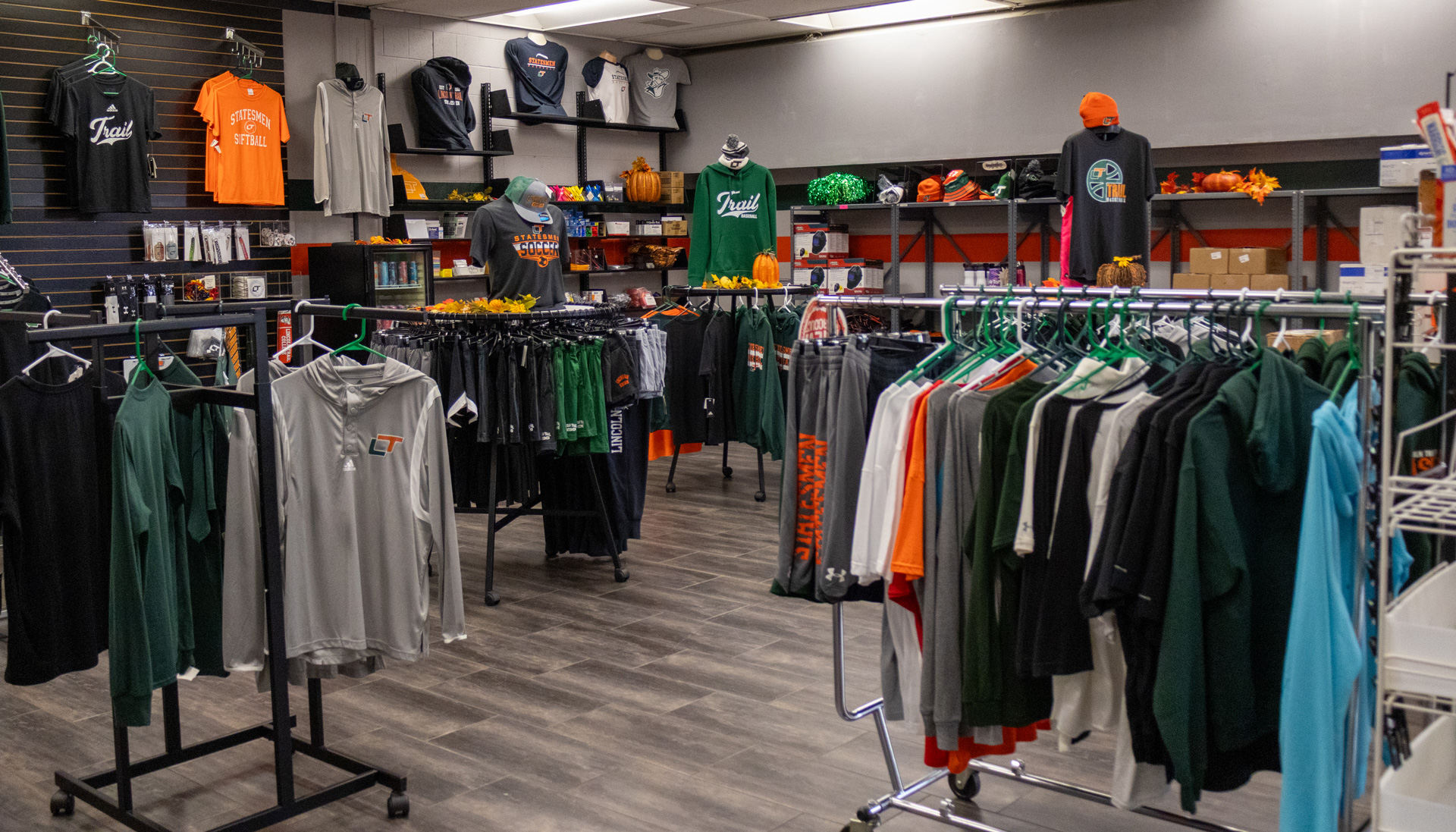
The former LTC bookstore moved from Williams Hall to the Student Union and was renamed The Statesmen Store. The move placed the store alongside the new Statesmen Store Café, bringing LTC apparel and merchandise, school supplies and breakfast and lunch options together in one central location.
LTC President Tona Ambrose said the changes grew out of an effort to reconsider campus spaces from a student’s perspective.
“The changes really came from taking a fresh look at our campus through the eyes of our students,” Ambrose said. “We looked at how students use campus and rethought our spaces around their needs.”
The closure of the college cafeteria provided an opportunity to rethink how the Student Union could serve students. Ambrose said the Statesmen Store and café were designed around convenience while also helping create a more active, student-centered area.
Students can pick up LTC merchandise and other items at the store while also purchasing grab-and-go breakfast and lunch options from the café. The area includes seating along with ping-pong, foosball and air hockey tables.
“We wanted to create a space that students naturally pass through and use, not just a place they visit when they need to buy school supplies, a sweatshirt, or an energy drink,” Ambrose said. “By bringing these services together, we’re making the Student Union more functional and creating a greater sense of activity and community in that area.”
Statesmen Store Manager Danelle Davis said the new location gives the store considerably more room to display its merchandise, but one of her favorite additions has been the opportunity to use the kitchen.
That has included experimenting with new grab and go options that still give faculty, staff and students food options. She says she’s enjoyed the chance to experiment with things like cake pops, something she’s never prepared before.
“I’m trying to figure out new things to bring all the time,” Davis said.
The move has also changed Davis’ interaction with students. Instead of being tucked inside the former bookstore space in Williams Hall, she now works in one of the college’s primary student gathering areas.
“I get to see different students that I probably wouldn’t have seen just being back in the old bookstore,” Davis said.
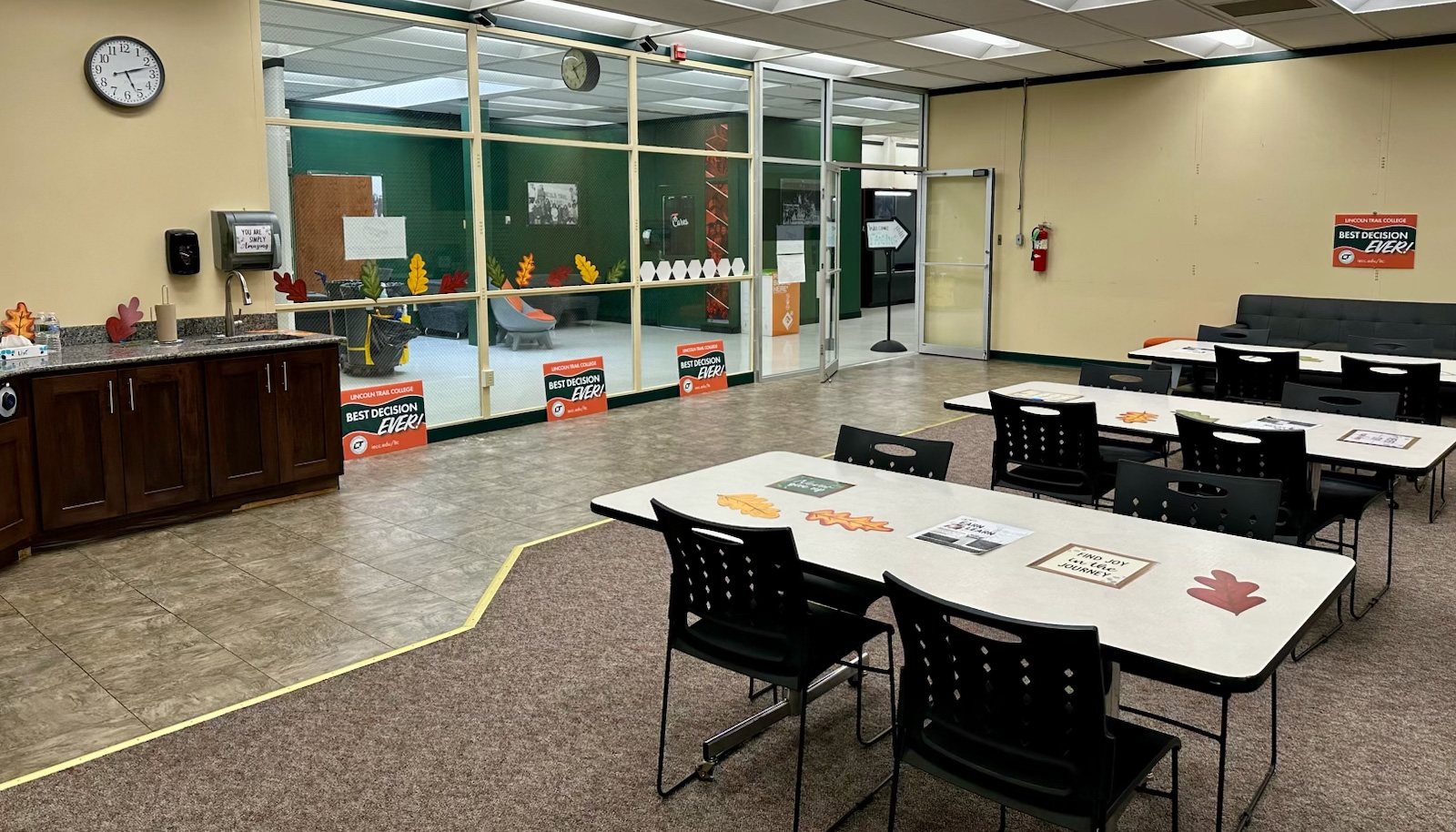
Meanwhile, the former bookstore in Williams Hall has taken on a new identity of its own. The space, now known as The Landing, was designed as a place where students can spend time between classes. It can also serve as a multipurpose space for class projects, small workshops, study groups and meetings.
“We want students to feel comfortable spending time on campus, not simply coming to class and leaving,” Ambrose said. “Those informal moments between classes are an important part of the college experience. They’re where students build friendships, connect with one another and begin to feel like they are part of a campus community.”
The Landing is also being developed with a longer-term purpose in mind. Ambrose said it will eventually become home to an advising center and transfer hub, giving students a centralized location to discuss academic plans, meet with advisors and receive assistance planning for what comes after LTC.
“Our goal is to take student services to the student rather than expecting students to figure out where to go,” Ambrose said. “When advising, transfer planning and other resources are located in a space that students already know and use, those services become much more visible and accessible.”
Taken together, Ambrose said the changes represent a broader effort to ensure the college continues adapting its campus to the way students learn, socialize and access services.
“A college campus can’t remain static,” Ambrose said. “The way students learn, socialize, access services and experience college continues to change, and our campus needs to change with them.”
She said that process begins by continuing to view LTC from the perspective of the students it serves.
“Our philosophy is simple: never stop looking through the new students’ eyes,” Ambrose said. “We’re taking the campus we have and finding better ways to use it to serve the students we have today, and the students we hope to welcome tomorrow.”